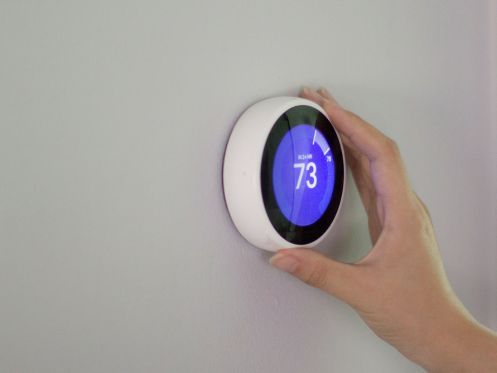
Bad Thermostat or HVAC Problem? How to Tell the Difference

When your cooling or heating system stops working as expected, the first thought is often that the HVAC unit itself has failed. However, many times the real issue is the thermostat.

Because both problems can create similar symptoms, it is important to understand how to spot the difference. A thermostat that is not working properly can mimic major HVAC issues, and knowing how to troubleshoot it can save you time, stress, and money.

Symptoms of a Bad Thermostat

Thermostats are small devices with a big responsibility: they control when your HVAC system runs, how long it cycles, and the temperature inside your home.

If a thermostat malfunctions, you may notice:

  • The HVAC system will not turn on or off when it should
  • The temperature in your home does not match the setting on the thermostat
  • The thermostat screen is blank or unresponsive
  • Uneven temperatures across rooms even when the system is running
  • Short cycling, where the system turns on and off too quickly

These signs do not always confirm that the thermostat is the problem, but they are strong indicators that it could be.

How to Know if the Thermostat or HVAC is the Issue

One of the most common homeowner questions is, “How do I know if it’s the thermostat or HVAC?”

The answer lies in a process of elimination. If your system is running constantly or not running at all, it is tempting to assume the worst. Before calling for a major repair, consider whether the thermostat might be sending the wrong signals.

For example:

  • If the thermostat is set to “cool” but the air conditioner does not come on, it could be a wiring or sensor issue inside the thermostat.
  • If the thermostat display is on but the system will not respond, the control board or HVAC components may be at fault instead.
  • If your system starts working again after replacing batteries in the thermostat, you have found your culprit.

Starting with the thermostat allows you to rule out the simplest explanation before moving on to larger system checks.

How to Test a Thermostat Without Removing It

Testing your thermostat does not always require removing it from the wall. A few simple steps can help you determine if it is working properly:

  1. Make sure the thermostat is set to “heat” or “cool” as needed, and lower or raise the temperature several degrees to trigger the system.
  2. Listen for a click from the thermostat, followed by the sound of your HVAC system starting. If nothing happens, the thermostat may not be sending the signal.
  3. Replace the batteries, if applicable, and test again.
  4. Check that the circuit breaker to the HVAC system is on. Sometimes what appears to be a thermostat problem is actually a tripped breaker.

If your thermostat still does not trigger the system, it may be faulty or there could be a deeper HVAC issue.

When to Replace a Thermostat

Another common question is, “How do I know when my thermostat needs replacing?” While some problems can be repaired, there are clear signs that it is time for a new one:

  • Your thermostat is more than 10 years old
  • It no longer maintains consistent temperatures
  • The screen or controls fail regularly
  • Repairs would cost nearly as much as a new unit

The lifespan of a thermostat is usually 10 to 15 years. Smart thermostats may last slightly less due to more complex electronics. If yours is reaching this age and showing problems, replacement is likely the best option.

Can I Replace My Thermostat Myself?

Many homeowners wonder if they can install a new thermostat without professional help. While basic models may be simple to swap out, today’s HVAC systems often involve complex wiring and compatibility checks. If your system includes heat pumps, multi-stage equipment, or integrated zoning, the installation process becomes much more technical.

A DIY installation mistake can damage your HVAC system or lead to ongoing performance problems. For most homeowners, it is safer to have a licensed technician handle thermostat installation as part of a professional HVAC service visit.

What Does It Cost to Replace a Thermostat?

The cost to replace a thermostat varies based on the type of thermostat you choose.

Standard programmable thermostats may cost less than $200 including installation, while smart thermostats with advanced features can range from $300 to $600 or more. Although the upfront price may feel high, a new thermostat can reduce energy costs and improve comfort, paying for itself over time.

When the Problem is Your HVAC

If you test your thermostat and it appears to be working correctly, the issue may lie within the HVAC system itself. Problems such as refrigerant leaks, failing compressors, clogged filters, or electrical malfunctions can cause symptoms similar to a faulty thermostat. In these cases, professional diagnosis is essential.

The good news is that many HVAC issues can be caught early through regular maintenance. A technician can identify whether the thermostat is the problem or if the system itself needs attention.

Take the Guesswork Out of Comfort

When your home is uncomfortable, knowing whether the thermostat or HVAC system is to blame can feel overwhelming. By recognizing the signs of a bad thermostat, testing it properly, and knowing when to call for help, you can save time and avoid unnecessary stress.

If you are unsure whether your thermostat or HVAC is the problem, the team at Air Docs Heating & Cooling is here to help. We provide reliable diagnosis, repair, and installation services for homeowners across Fort Pierce and the surrounding area.

Call Air Docs Heating & Cooling at (772) 356-1311 today to schedule your HVAC service or thermostat replacement.

Is it worth getting a smart thermostat?

Yes, getting a smart thermostat can be highly worth it for homeowners looking to improve comfort, save on energy costs, and control their home’s climate better. 

With its energy-efficient features and advanced functionality, a smart thermostat can easily become an integral part of your home’s heating and cooling system.

Understanding the Benefits of a Smart Thermostat

Smart thermostats bring convenience, efficiency, and savings to your home. These devices learn your schedule and preferences over time, adjusting temperatures to suit your lifestyle. 

With remote control features through smartphone apps, you can monitor and control your home’s temperature even when you’re away, ensuring your home is always at the perfect temperature when you return.

Here’s why you should consider a smart thermostat:

  • Energy savings: Adjusts the temperature when you’re not home, reducing energy waste.
  • Improved comfort: Learns your habits and tailors the climate accordingly.
  • Remote control: Change the temperature from anywhere via an app, even when you’re on vacation or at work.

To learn more about smart thermostats, read: The Benefits of Smart Thermostats

How Smart Thermostats Help Save Energy and Money

A smart thermostat can significantly reduce your energy usage, which translates to lower utility bills. These thermostats are designed to learn your daily schedule, adjusting temperatures based on your habits. For instance, it can lower the temperature when you’re away from home and increase it just before you return, ensuring comfort without wasting energy.

Smart thermostats help save money in the following ways:

  • Learning your schedule: The thermostat adjusts to your home’s temperature needs without wasting energy.
  • Temperature optimization: Reduces cooling or heating when no one is home.
  • Cost-effective: The savings on energy bills often recoup the initial investment quickly.

If you want to take full advantage of these savings, consult with the experts at Air Docs Heating and Air for personalized guidance.

Key Features to Look for in a Smart Thermostat

When shopping for a smart thermostat, consider the following features that will make your life easier and your home more energy-efficient:

  1. Remote control: Adjust settings from anywhere, even while you’re traveling.
  2. Geofencing: Automatically adjusts temperature based on your location, making sure your home is always at the right temperature when you arrive.
  3. Energy usage reports: Track your energy usage and identify potential areas for savings.
  4. Voice control: Ensure compatibility with Alexa or Google Assistant for voice-controlled convenience.
  5. Integration with other devices: Works with your HVAC system and other smart home devices.

Air Docs Heating and Air can help you find the best options for your specific needs and budget. Check out their website for more details on installation and features.

Installation and Setup: What to Expect

Installing a smart thermostat is generally a straightforward process, but some systems may require professional assistance. 

Here’s what you can expect during the setup process:

  • DIY installation: Many smart thermostats come with step-by-step guides or mobile apps that simplify the installation.
  • Professional help: If your HVAC system is complex, or if you have an older home, professional installation may be necessary to ensure everything works properly.
  • Wi-Fi connection: Once installed, the thermostat needs to be connected to your home Wi-Fi network.

To make sure everything runs smoothly, consider contacting Air Docs Heating and Air for a professional installation that ensures the system works perfectly with your home’s HVAC system.

How Smart Thermostats Integrate with Your Home’s HVAC System

Smart thermostats are compatible with most modern HVAC systems, but it’s essential to check compatibility before purchasing. 

Some HVAC systems may need additional components, such as a C-wire, to power the thermostat properly. Understanding the specifications of your system can ensure a seamless integration process.

Here’s how smart thermostats typically integrate with your HVAC system:

  • Compatibility: Most smart thermostats work with standard heating and cooling systems.
  • Additional components: Some systems require extra wiring for full functionality, such as a C-wire for constant power.
  • Optimal performance: Choosing the right thermostat that matches your HVAC system guarantees efficiency and smooth operation.

For more information on selecting the right thermostat for your system, visit Air Docs Heating and Air.

The Learning Capabilities of Smart Thermostats

One of the standout features of smart thermostats is their ability to learn and adapt to your behavior. 

These thermostats track your daily routines and adjust the temperature based on your habits. Over time, they become increasingly efficient at ensuring your home is comfortable while minimizing energy waste.

For the most accurate and personalized thermostat for your needs, Air Docs Heating and Air can help with both recommendations and installation.

How to Maximize the Use of Energy-Saving Features

To get the most energy savings from your smart thermostat, take full advantage of its built-in features:

  • Set up schedules: Program the thermostat to adjust temperatures based on your daily routine.
  • Use geofencing: Let the thermostat adjust automatically as you come and go.
  • Track energy reports: Use the energy reports to identify patterns and optimize your settings.

For assistance in setting up your thermostat for maximum efficiency, don’t hesitate to contact Air Docs Heating and Air.

Do Smart Thermostats Really Make Your Home More Comfortable?

Absolutely! Smart thermostats make your home more comfortable by keeping your home at the ideal temperature throughout the day. These devices can adjust to your routine, ensuring a consistent and comfortable temperature. 

Whether you’re coming home early or need to cool down the house on a hot summer day, smart thermostats offer convenience and reliability.

For a seamless upgrade to your home’s comfort, check out our HVAC services in Sebastian, Melbourne and Grant offered by Air Docs Heating and Air..

Final Thoughts

Smart thermostats are a fantastic investment for homeowners who want to enhance comfort, save money, and optimize energy use. With features like remote control, learning capabilities, and integration with other smart devices, these thermostats bring convenience and efficiency to your home.

If you’re interested in installing a smart thermostat or need expert advice, don’t hesitate to contact Air Docs Heating and Air for a consultation or professional installation.

FAQ

How much can I save with a smart thermostat?

A smart thermostat can save you up to 15% on heating and cooling costs annually. For more details, visit Air Docs Heating and Air.

Do I need professional installation for a smart thermostat?

While many smart thermostats are DIY-friendly, professional installation is recommended for complex HVAC systems. Learn more at Air Docs Heating and Air.

Can a smart thermostat work with my old HVAC system?

Smart thermostats are compatible with most HVAC systems. Contact Air Docs Heating and Air to check compatibility with your system.

Unlocking Efficiency: The Benefits of Installing a Smart Thermostat

TL;DR: Smart thermostats offer advanced control, energy savings, and enhanced comfort by learning your habits and adjusting temperatures automatically. They allow remote management via apps and voice commands, integrate seamlessly with other smart home devices, and provide detailed energy usage reports. Professional installation ensures optimal setup and performance, making smart thermostats a valuable investment for a more efficient and comfortable home.


In today’s rapidly evolving digital landscape, the smart thermostat stands out as a beacon of ultimate efficiency and innovation within the smart home space. These devices symbolize the relationship between convenience and technology and introduce a dimension of unparalleled control in terms of customization options. 

A smart thermostat’s ability to learn from your habits, make temperature adjustments automatically, and even be controlled remotely via a Wi-Fi connection makes it a necessity for modern living. As we delve further into its advantages, you’ll discover how enhanced user control, energy savings, and comfort optimization collectively contribute to a smarter, more efficient home. 

Whether you’re intrigued by the prospects of smart home integration or simply curious about the benefits of installing a smart thermostat, this article will provide you with a comprehensive overview of how these innovative devices work, and why they represent a significant step forward in making our homes more responsive, comfortable, and energy-efficient.

Enhanced User Control

One of the standout advantages of a smart thermostat is its unprecedented level of user control. With it, you can effortlessly manage your household’s climate from any device you select.

App-Based Control

Most smart thermostats connect seamlessly through specific apps on any smart device using Wi-Fi. This app serves as a centralized command center, allowing you to monitor and adjust the indoor temperature from anywhere you are as long as you can connect to the internet. 

Voice Commands With Digital Assistants

Many smart thermostats take convenience a step further by integrating easily with digital voice assistants such as the popular Amazon Alexa, Google Assistant, and Apple’s Siri. With simple voice commands, you can effortlessly adjust the temperature, check the current settings, or even inquire about the weather forecast without lifting a finger. 

Smart thermostats often allow you to create automated routines or “scenes” that synchronize with other smart home devices. For example, during your movie night routine, your smart assistant can simultaneously dim the lights, adjust the temperature, and turn on your entertainment system, creating the perfect ambiance with a single command.

Energy Savings

Smart thermostats grant a quick pay-off as they contribute to reduced energy bills. By optimizing your home’s heating and cooling systems, these intelligent devices can substantially reduce your utility bills while promoting eco-friendly practices.

Reports and Insights on Energy Use

Smart thermostats also deliver detailed reports on your HVAC unit’s performance, which you can access at any time. The reports provide useful insights into your energy expenditure for temperature regulation, helping you pinpoint where you can improve.

By sifting through this data, you can figure out how to optimize your HVAC system. This option removes the guesswork and allows you to focus on deciding on direct steps to further improve your energy-related cost savings.

Cost Reduction Through Efficient Management

Smart thermostats also feature the possibility of remote monitoring, which has a role in cost reduction. This is particularly useful in situations when you forget to adjust the thermostat and end up being away from your home for longer periods. 

Having the ability to lower the temperature in the household from a remote location allows you to prevent purposeless energy consumption and still return to a comfortable and optimally customized environment. Smart thermostats often integrate several key strategies and features to enhance energy efficiency:

  • They turn your HVAC system off frequently, saving energy without affecting your comfort. 
  • Some models can connect to programs that allow your utility company to adjust the thermostat settings in exchange for discounts or incentives.
  • Many models also remind you to replace your HVAC filter regularly (usually every three months) to ensure optimal system performance.

Comfort Optimization

Achieving an optimal level of comfort within your home is the primary goal of a smart thermostat. These innovative devices excel at tailoring the indoor climate to your preferences, ensuring a cozy and inviting atmosphere without compromising energy efficiency.

Customized Heating and Cooling Schedules

Smart thermostats provide you with the option to set up a schedule that fits your needs and preferences. Having this ability at your disposal means you can pick a different temperature for different parts of the day, easily maintaining your desired level of comfort while minimizing energy waste. 

For example, you can set your smart thermostat to keep the temperature in your home low while you’re at work or traveling and then raise it to a comfortable level right before your anticipated return.

Learning and Adapting to User Routines

A standout feature of smart thermostats is their capacity to learn from your routines and base their performance on that experience. Using sensors and specialized algorithms, they can detect patterns in your temperature adjustments and occupancy levels. 


Over time, the smart thermostat will automatically adjust the temperature based on your habits, ensuring optimal comfort. For example, if you prefer to get the temperature down while you sleep, your smart thermostat can recognize such behavior and make the necessary adjustments automatically. 

Similarly, if you have a consistent schedule for leaving and returning home, the thermostat will adjust the temperature accordingly. It will ensure a comfortable environment upon your arrival while conserving energy during your absence.

Many smart thermostats also offer features like geofencing, which can determine when you’re approaching or leaving your home based on the location feature of your smartphone. This allows the thermostat to proactively adjust the temperature, ensuring you never waste energy cooling or heating an empty house.

Compatibility with Smart Devices

One of the vital benefits of installing a smart thermostat is its seamless compatibility with various smart home systems and devices. This integration allows you to create a cohesive and interconnected smart home ecosystem, enhancing convenience, efficiency, and control over your living environment.

Integrating with Other Smart Home Systems

Smart thermostats are designed to work harmoniously with a wide range of smart home systems, enabling you to control various aspects of your home from a single centralized platform. 

For instance, you can link your smart thermostat with smart lighting, security systems, or voice assistants such as Amazon Alexa or Google Assistant. This integration allows for voice-controlled temperature adjustments, creating personalized routines, and automating various home functions based on your preferences.

Inter-Device Communication and Control

Smart thermostats often support standard communication protocols such as Z-Wave, Zigbee, or Wi-Fi, ensuring seamless connectivity and communication with other compatible devices.

  • Smartphone and Tablet Apps: Most smart thermostat manufacturers provide dedicated applications that turn your phone or tablet into a remote controller for your home HVAC system. 
  • Voice Control: By connecting with virtual assistants like Alexa or Google Assistant, you get to direct the performance of your smart thermostat using voice commands. 
  • Smart Home Hubs: If you have a smart home hub or control center, you can typically incorporate your smart thermostat into this central system. This integration enables you to monitor and control various smart home devices, including your thermostat, from a single user interface.

Leveraging smart thermostats’ compatibility and inter-device communication capabilities allows you to connect all devices in your household to an intelligent environment. This not only enhances convenience but also opens up new possibilities for energy efficiency, automation, and personalized comfort.

Smart Thermostat Installation in Vero Beach, FL

Through this exploration of smart thermostats, we’ve navigated the myriad ways they enhance our living spaces, combining convenience with ultimate efficiency. From app-based control and voice commands to significant energy savings and seamless integration with smart home ecosystems, it’s clear that the benefits of installing a smart thermostat extend far beyond simple temperature adjustments. 

They transform our approach to comfort, energy consumption, and how we interact with our homes, providing an insightful glimpse into the future of domestic life. The evidence indicates they are a step forward in creating environmentally friendly and economically savvy households.


What is left now is to reach out to professionals such as Air Docs Heating & Cooling to take care of smart thermostat installation in your home. They’ll help you elevate your home to an environment-friendly oasis of comfort and luxury. 

The Benefits of Smart Thermostats

Welcome to the world of smart living! In today’s rapidly evolving world, where technology is seamlessly integrated into every aspect of our lives, it’s no surprise that even our thermostats have become smarter.  Smart thermostats have risen to prominence in recent years, offering a range of benefits that extend far beyond the realm of simple temperature control. When Smart Thermostats are installed correctly by experienced professionals, they bring many benefits to your home. These innovative devices have revolutionized the way we interact with our home environments, providing us with enhanced comfort, energy efficiency, and connectivity like never before.

In this blog post, we dive into the innovative realm of smart thermostats, a game-changing technology that’s transforming how we manage our home environments. Smart thermostats offer a blend of convenience, energy efficiency, and intelligent home integration that traditional models simply can’t match.

As our homes become more connected, smart thermostats stand at the forefront of this revolution. They’re not just about controlling temperature; they learn from your habits, adapt to your lifestyle, and even help you save money on your energy bills. Whether you’re tech-savvy or just starting to explore smart home technologies, understanding the benefits of smart thermostats is key to modernizing your living space.

Energy Efficiency and Cost Savings With Smart Thermostats

One of the most compelling advantages of smart thermostats is their ability to significantly improve energy efficiency, leading to notable cost savings on utility bills. Here’s how they achieve this:

  • Learning Your Schedule: Smart thermostats learn your daily schedule and temperature preferences. This learning ability enables them to adjust the heating and cooling of your home more efficiently than traditional thermostats.
  • Geofencing: Many models use geofencing technology, which uses your smartphone’s location to determine when you’re home or away. This feature ensures that energy isn’t wasted heating or cooling an empty house.
  • Remote Control: With smart thermostats, you can adjust your home’s temperature from anywhere using a smartphone app. This means you can turn down the heat or air conditioning when you’re not home, leading to less energy usage.
  • Reduced Energy Bills: By optimizing your home’s heating and cooling, smart thermostats can significantly reduce your energy bills. Studies and user reports often highlight savings of around 10-20% on their heating and cooling costs.
  • Energy Reports: Many smart thermostats provide detailed energy usage reports. These reports help you understand your consumption patterns and identify further opportunities for energy savings.
  • Utility Rebates: Some energy companies offer rebates for installing smart thermostats. These incentives not only reduce the initial cost of purchasing the device but also encourage energy-efficient practices.

By integrating advanced technology to learn and adapt to your lifestyle, smart thermostats offer a powerful tool for managing your home’s energy usage more effectively. The result is not just a reduction in your energy bills but also a step towards a more environmentally friendly lifestyle.

The Convenience And Comfort Of Smart Thermostats

The convenience and comfort provided by smart thermostats represent a significant leap forward from traditional thermostats. At the heart of this convenience is the ability to control your home’s temperature remotely. Whether you’re lying in bed or away on vacation, you can adjust your home’s climate with just a few taps on your smartphone or tablet. This feature is particularly handy for those unexpected late nights at the office or changes in weather while you’re away from home.

Beyond mere convenience, smart thermostats excel in maintaining a consistent and comfortable home environment. They fine-tune the temperature based on your preferences and the specific conditions of each room. Some models even offer room sensors, ensuring that every part of your home is heated or cooled to your liking, eliminating cold spots or overly warm areas.

Another aspect of comfort is the peace of mind these devices bring. With smart thermostats, you no longer need to worry about forgetting to adjust the temperature when you leave home or during sudden weather changes. Their automation and learning capabilities mean your home’s climate is always as you prefer it, without constant manual adjustments.

In essence, the blend of remote control, tailored comfort, and automated adjustments that smart thermostats provide, ensure that your home is not just a place you live in, but a space tailored to your personal comfort and ease.

Integration Of Smart Thermostats With Smart Home Systems

The integration of smart thermostats with other smart home systems is a standout feature that enhances the overall functionality and convenience of your home. This interconnectedness allows for a seamless and more efficient smart home experience.

Smart thermostats can often be integrated into a central smart home hub, allowing you to control multiple devices from a single app or interface. This centralization simplifies management and enhances the user experience. A smart thermostat can work in tandem with other smart devices. For example, it can communicate with smart window blinds to lower them automatically during the hottest part of the day, reducing the cooling load. Similarly, it can turn off the HVAC system when a smart door or window sensor detects an open window, conserving energy.

Through integration, you can create customized ‘scenes’ or routines. For instance, a “Good Morning” routine could raise the thermostat to your preferred temperature, turn on the smart lights, and play your favorite music on a smart speaker. Smart thermostats can be controlled via voice commands through digital assistants like Amazon Alexa, Google Assistant, or Apple HomeKit. This allows for hands-free adjustments and adds a layer of convenience, especially when your hands are full or you’re occupied with other tasks.

The Role Of Smart Thermostats For Data Insights And Maintenance

Smart thermostats go beyond mere temperature control; they are a source of valuable data insights and proactive maintenance tools for your home’s HVAC system that contributes to a smarter and more efficient home.

Most smart thermostats provide comprehensive reports on your heating and cooling patterns and energy usage. These reports can be accessed through the thermostat’s app, offering a clear view of when and how you are consuming energy. By analyzing these reports, homeowners can identify trends and make informed decisions to further optimize energy usage, leading to more significant savings.

Smart thermostats can detect and alert you to irregularities in your HVAC system’s performance. This early detection can be crucial in preventing minor issues from becoming major problems. The device can remind you of regular maintenance tasks, such as changing air filters, which is essential for keeping your system running efficiently and effectively.

Smart Thermostat Installation Near You

In conclusion, the adoption of a smart thermostat can truly transform the way you interact with and manage your home’s climate. The benefits are clear and compelling, making it an investment that offers both immediate and long-term advantages. By providing you with enhanced comfort through personalized temperature control and the convenience of remote access, smart thermostats cater to your preferences and adapt to your lifestyle. Moreover, they contribute significantly to energy efficiency, reducing both your carbon footprint and utility bills over time.

At Air Docs Heating & Cooling, we understand the importance of having a comfortable home. That’s why we offer the highest quality smart thermostat installation services in Vero Beach, FL. Our team of experienced professionals can install your smart thermostat quickly and efficiently, ensuring that you get the most out of your new device.

Frequently Asked Questions About Smart Thermostats

Are smart thermostats compatible with my existing heating and cooling system?

Yes, many smart thermostats are designed to be compatible with a wide range of HVAC systems, including central heating and cooling, heat pumps, and more. However, it’s essential to check the compatibility of a specific smart thermostat model with your system before purchasing.

Can smart thermostats really save me money on my energy bills?

Absolutely. Smart thermostats excel at optimizing your heating and cooling schedule based on your preferences and occupancy patterns. By automatically adjusting temperatures when you’re away or asleep, they can significantly reduce energy waste. Many users report noticeable reductions in their monthly utility bills, making smart thermostats a wise long-term investment.

How do smart thermostats contribute to environmental sustainability?

Smart thermostats play a role in environmental sustainability by promoting energy efficiency. By reducing energy consumption through optimized heating and cooling, they help lower greenhouse gas emissions associated with energy production.